Introduction: Why VR and AR Are Revolutionizing Architecture?
Architecture is a constantly evolving discipline, and technological innovation continues to redefine its boundaries. Tools such as the Virtual Reality (VR) and the Augmented Reality (AR) not only simplify complex processes, but transform the way architects, builders and clients interact with projects.
If you're looking for a competitive edge for your architectural practice, this guide will give you a comprehensive overview-from the essential tools and practical benefits to the steps needed to integrate these technologies into your workflow.
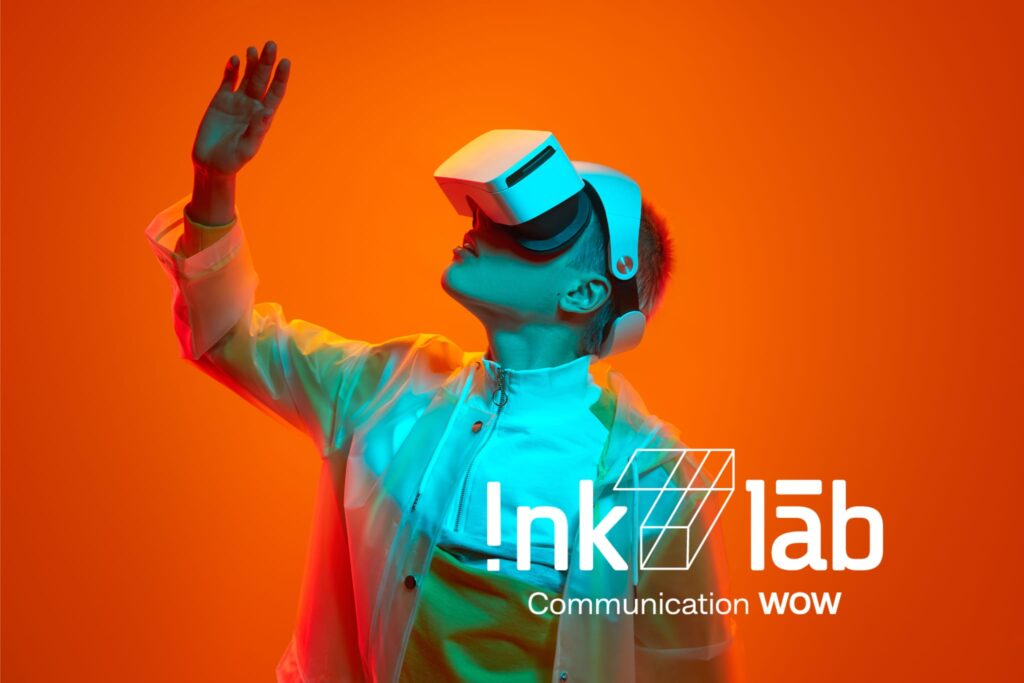
VR and AR: What They Are and How They Work in Architecture
What is Virtual Reality (VR)?
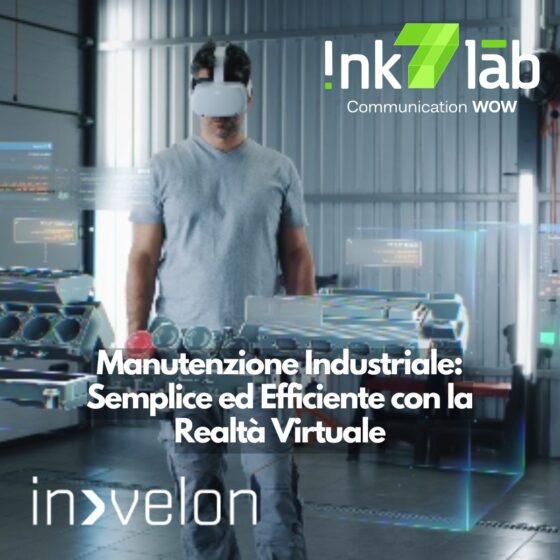
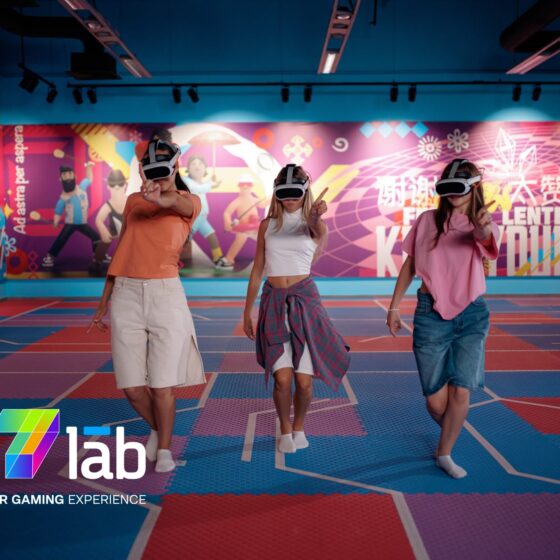
VR is an immersive experience that allows users to explore an architectural project within a three-dimensional digital environment. Ideal for detailed simulations, it allows visualization of every aspect of a building, from the distribution of spaces to the choice of materials.
Main uses of VR:
- Immersive virtual tours: Customers can explore spaces as if they were real, even before they are built.
- Realistic simulations: You can test lights, textures and materials in a highly detailed virtual environment.
What is Augmented Reality (AR)?
AR, on the other hand, integrates digital objects into the real world. Using devices such as smartphones, tablets or viewers, it allows 3D models to be superimposed on real-world contexts.
Main uses of AR:
- Interactive presentations: Visualize a building or structure in their actual context, making projects more tangible.
- On-site support: Provides construction details overlaid directly on the work site, improving execution accuracy.
Why Adopt VR and AR in Architectural Projects?
1. Immersive and Realistic Vision
Traditional 2D floor plans and static renderings cannot always convey the full potential of a project. With VR and AR, you can:
- Provide an immersive experience that allows customers to explore three-dimensional spaces.
- Change details such as colors, textures or materials in real time.
- Make presentations more engaging and understandable.
2. Clear and Error-Free Communication
VR and AR improve communication between architects, clients, and construction teams.
- For clients: A clear vision of the project reduces doubts and late changes.
- For the team: All work on the same visual representation, reducing errors and delays.
3. Reduction of Costs and Risks
With these technologies you can:
- Identify design errors before construction, avoiding unnecessary expenditures.
- Test different design options economically.
4. High-Impact Presentations
- Personalized VR tours: Offer virtual tours to show the project to your clients.
- Onsite AR presentations: View the project directly on the construction site.
Essential Tools for Integrating VR and AR
Modeling and Rendering Software
- Revit: Perfect for detailed modeling, it enables smooth integration with VR platforms.
- 3ds Max: Ideal for photorealistic renderings.
- SketchUp Viewer: An affordable solution for AR visualization of models.
Virtual Reality Platforms
- Unreal Engine: Used to create immersive and interactive VR experiences.
- Unity 3D: Versatile alternative for complex VR projects.
Hardware Needed
- VR viewers: Oculus Quest 2 and HTC Vive are popular choices for immersive experiences.
- AR devices: Smartphones, tablets, and viewers such as Microsoft HoloLens offer a great deal of flexibility.
How to Implement VR and AR in Your Studio
Step 1: Analyze the Needs of the Project.
Evaluate which technologies are best suited for your project:
- VR For immersive experiences.
- AR For overlaying 3D models in the real context.
Step 2: Optimize 3D Models
3D models must be optimized for smooth performance:
- Reduce polygons without sacrificing quality.
- Use realistic textures for a more immersive experience.
Step 3: Present Projects in an Engaging Way.
- Organize interactive virtual tours for your clients.
- Use AR to show how the project fits into the real environment.
Step 4: Form Your Team
Make sure your staff is properly trained. Investing in specific workshops and courses is essential to make the most of these technologies.
Challenges to Overcome
Initial Costs
The hardware and software required may seem onerous, but they represent a strategic investment for the future.
Learning curve
Forming the team takes time. Plan a transition period for adoption of new technologies.
Hardware and Software Compatibility
Make sure all devices are compatible to avoid technical problems.
Success Stories: Applications of VR and AR
- Optimizing Natural Light with VR
One study used VR to simulate natural light in a public library, optimizing visual comfort for users. - AR Visualizations in Yard
A construction company used AR to show clients how a building would integrate with the urban context, improving communication. - Virtual Museums
One project created a museum entirely in VR, allowing visitors to explore the exhibit before the physical opening.
The Future: Virtual Reality, Sustainability and Remote Collaboration
1. Sustainable Design
Energy consumption simulation and material optimization will be increasingly integrated into VR workflows.
2. Remote Collaboration
VR will allow international teams to work in real time on shared projects.
3. Personalization for Customers
With the integration of Artificial Intelligence, it will be possible to create personalized experiences for each customer.
Want to reduce costs, streamline operations and grow your business? Virtual reality is the answer. Contact us today to find out how ink7lab can help you!