
In the field of modern architecture, managing projects remotely can be complex and costly. According to a study by the Construction Management Association of America, 30% of construction projects experience delays or cost increases due to communication or logistical errors. However, the adoption of technologies such as Virtual Reality (VR) and Augmented Reality (AR) has been shown to reduce these problems to 25%, optimizing time and resources.
Issues of Remote Control in Architectural Projects.
1. Communication Errors
The 48% of the architects surveyed by Building Design+Construction stated that misunderstandings between design and operations teams are a major cause of delays. The absence of clear visual tools makes it difficult to translate design ideas into practical execution.
2. Moving Costs
According to the Global Construction Review, annual costs for travel and on-site inspections represent on average 10-15% of a project's budget. In large projects, this can translate into tens of thousands.
3. Limited Viewing
2D representations or static renderings do not always provide a complete view of the project, leading to construction errors. A study of the Journal of Building Engineering showed that 23% of construction errors result from a poor understanding of design plans.
4. Inefficient Coordination
With teams spread across multiple locations, coordination can become a long and complex process. The result? Significant delays and additional costs.
How VR and AR Solve Problems
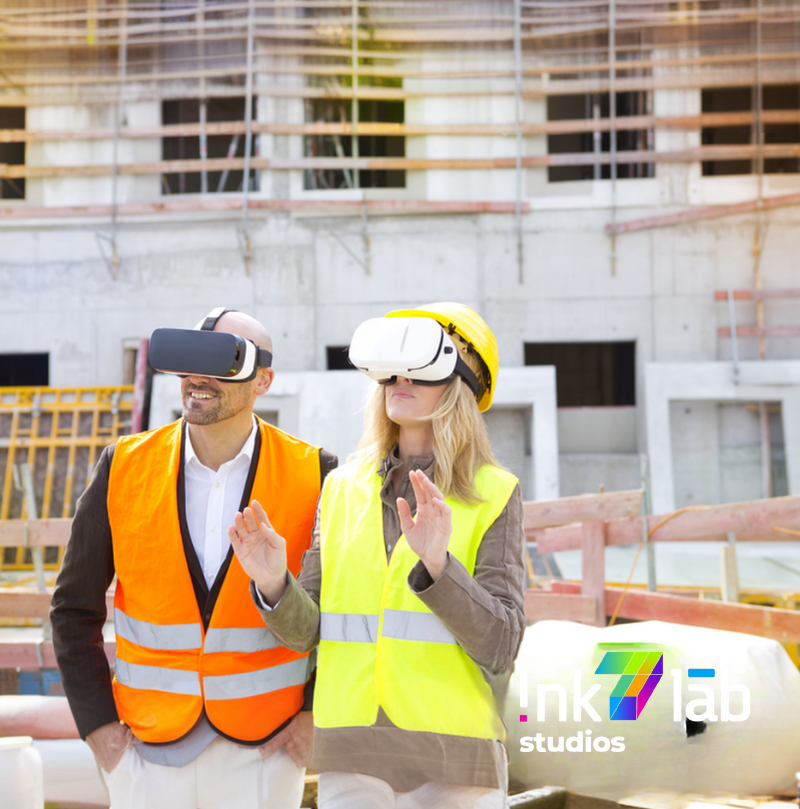
Virtual Reality (VR) and Augmented Reality (AR) technologies offer tangible solutions to address remote project management challenges.
1. Immersive Visualization
Thanks to VR, clients and designers can virtually “enter” the designed spaces. For example, the design of the Marina One in Singapore used VR to simulate interior spaces, identifying and correcting errors before construction began, saving 20% on the final budget.
2. Reducing Displacement Costs
The use of VR enables virtual inspections, eliminating the need for frequent physical visits to construction sites. A concrete example is the Istanbul airport project, where VR has reduced 30% supervision costs.
3. Communicative Efficiency
VR allows realistic simulations to be shown to all involved, reducing interpretive errors. In the case of the Stadium of the Future in Los Angeles, VR reduced the design review time of the 40%.
4. AR for the Yard
With Augmented Reality, virtual models can be superimposed on the real context, providing teams with real-time guidance. For example, AR was used in the design of the Hudson Yards in New York to ensure the precise alignment of structures, improving the efficiency of the 35%.
Statistics: Tangible Savings with VR and AR
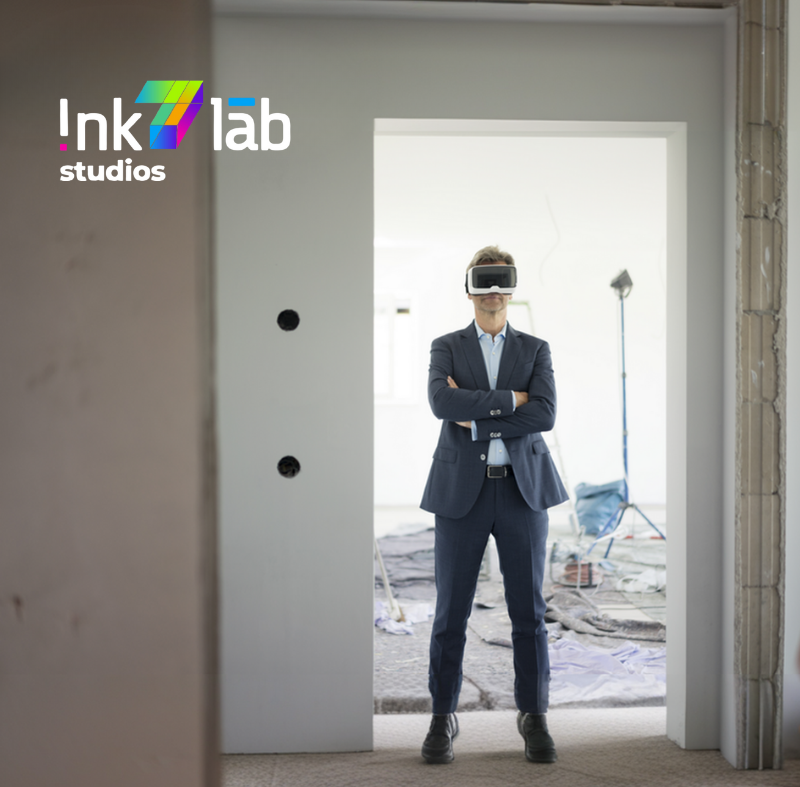
- Reducing Errors: A study of McKinsey shows that VR reduces errors by 70% during the design phase.
- Time Optimization: The use of VR and AR has been shown to accelerate project delivery up to 50% in complex projects.
- Best ROI: Second Deloitte Insights, companies that adopt VR see a 25% higher return on investment than traditional methods.
Conclusions
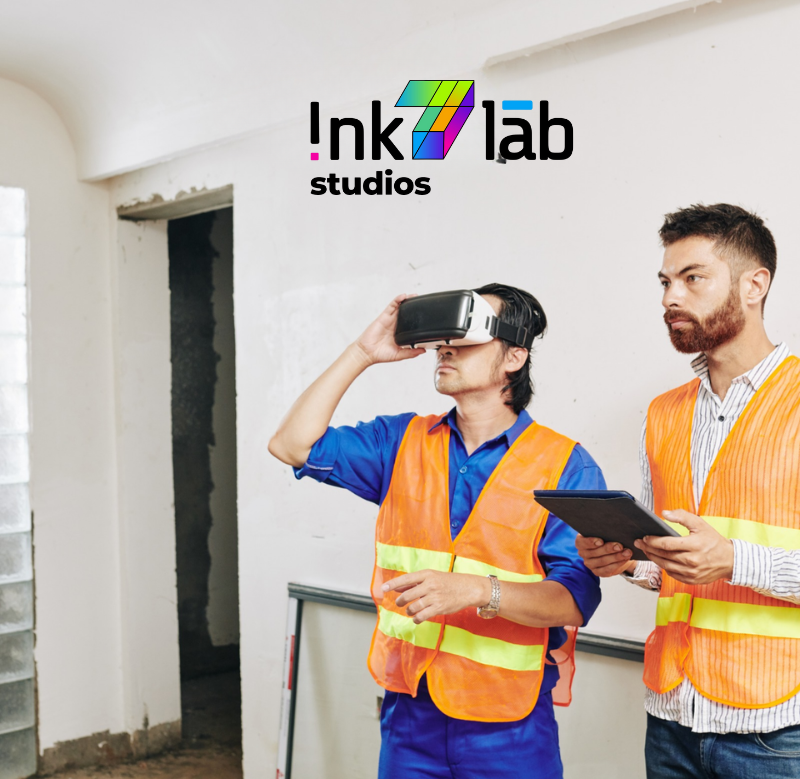
The integration of VR and AR into architectural processes represents a major breakthrough. Reducing travel costs, minimizing design errors, and optimizing communication are just some of the benefits offered by these technologies.
Successful experiences in iconic projects show that VR and AR are no longer niche tools, but a necessity for those who want to remain competitive in the industry. Adopting these technologies means not only saving money, but also ensuring a more efficient and sustainable future for architecture.

 Italian
  English
  Spanish
  Catalan
  French
  Croatian
  German